
Last updated November 2, 2026
 Wrought iron
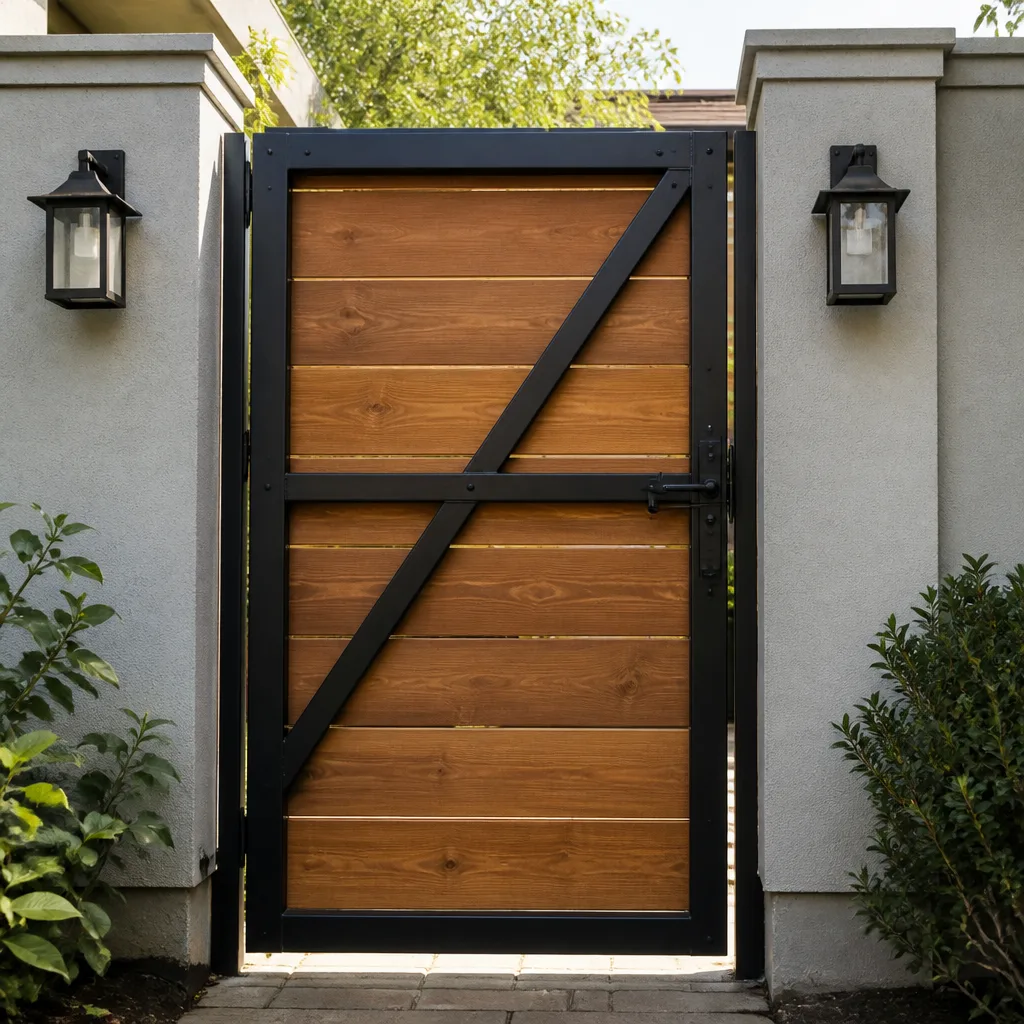 Wood & steel frame
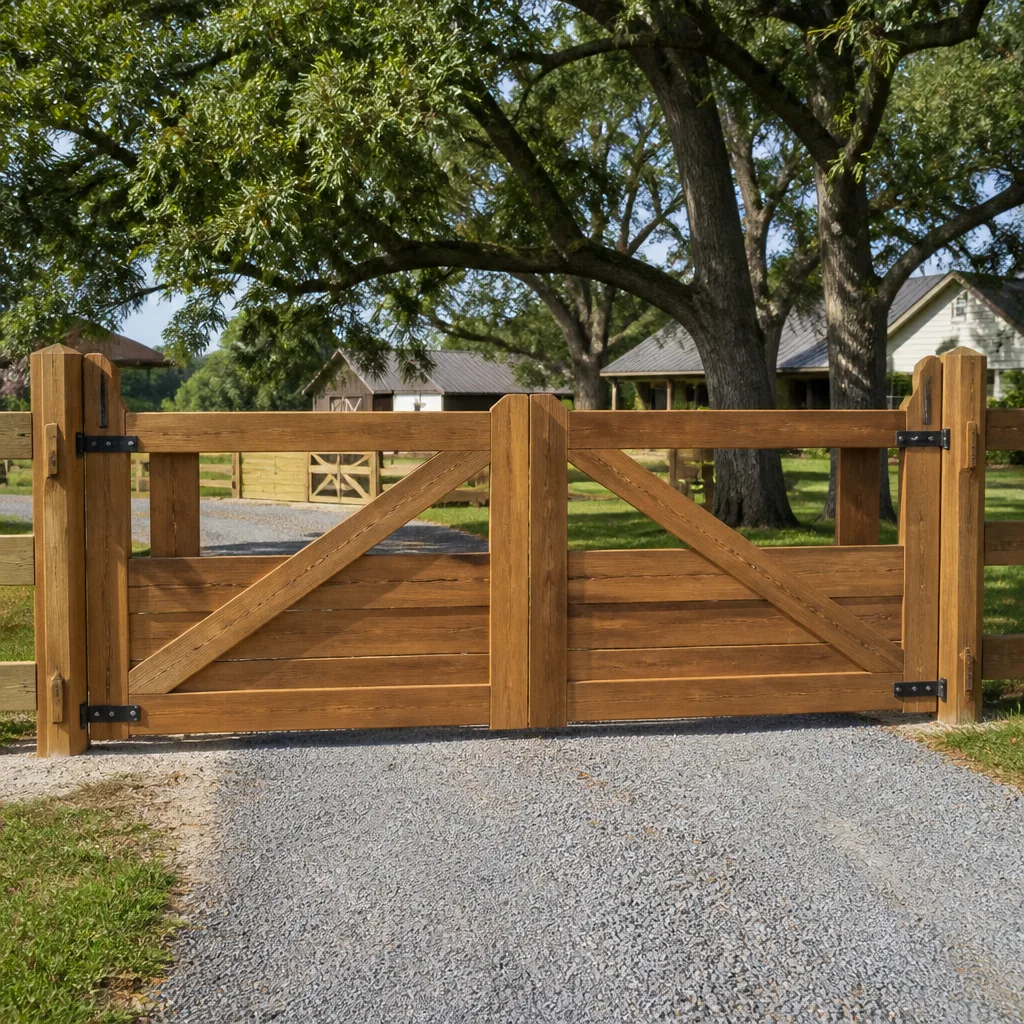 Farm & ranch
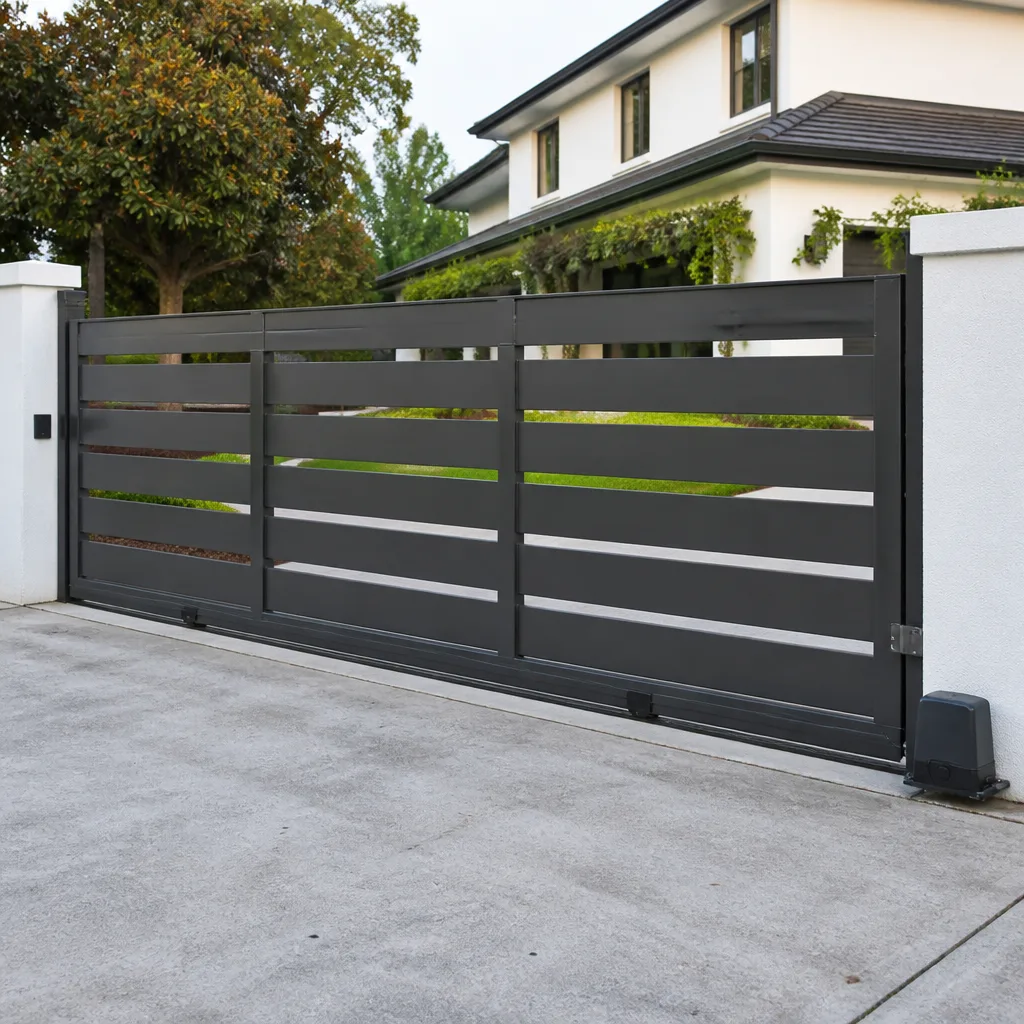 Sliding driveway gates
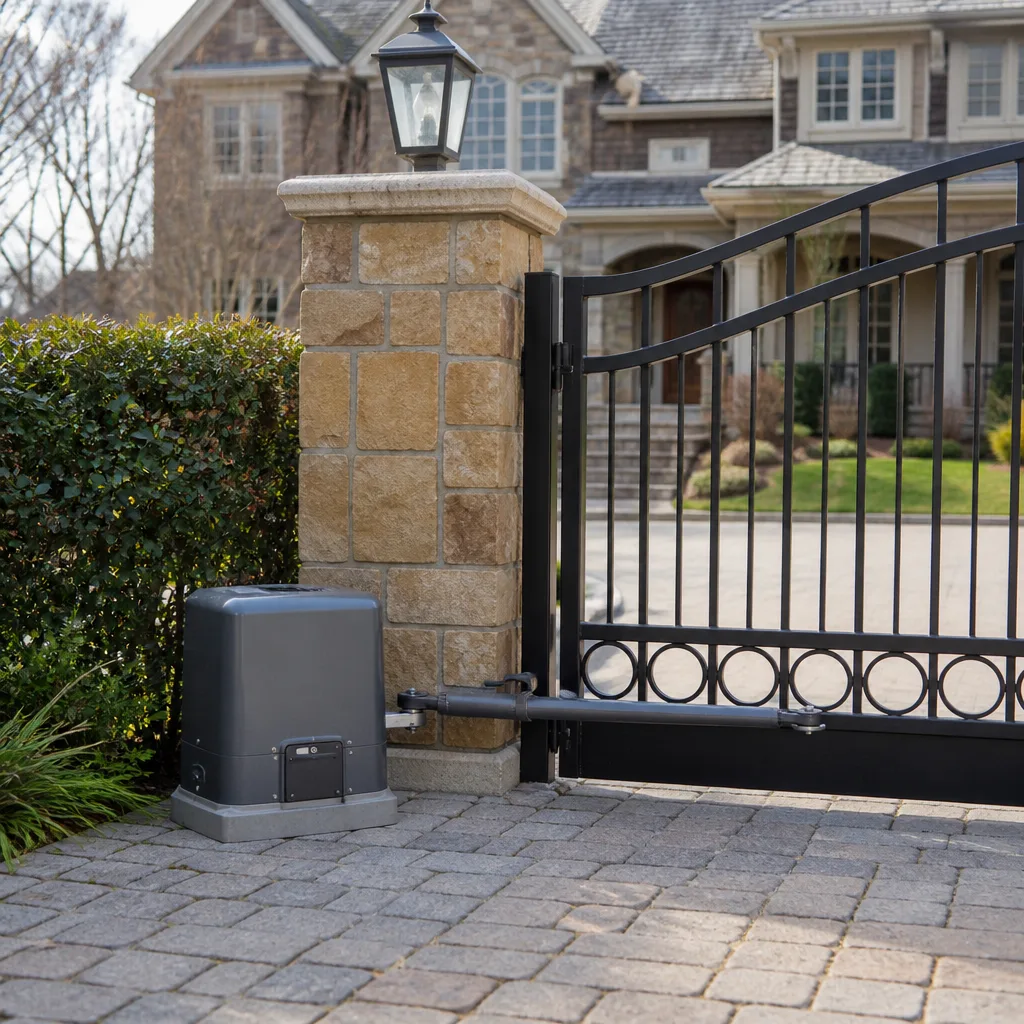 LiftMaster operators
Free on-site gate assessment - hinges, posts, and your LiftMaster or Nice gate operator checked before anything is quoted
The assessment is free and the quote is the invoice.
Get your free estimateGate Repair Maintenance Checklist for Valencia Homeowners
Here’s the problem with most gate maintenance checklists: they were written for somewhere with mild summers, predictable rainfall, and soil that stays put. Valencia is none of those things. Our summers push aluminum to its thermal expansion limits, our dry heat and relentless UV break down plastic components and photo eye housings, and the clay-heavy soil shifts enough through wet and dry cycles to knock a gate out of alignment without warning. A generic list tells you to “lubricate hinges.” This guide tells you which specific components fail in Valencia’s climate, how to inspect each one in under ten minutes, which lubricants actually help, and which ones quietly destroy your hardware. By the end, you’ll have a maintenance routine organized by system type and season, and you’ll know exactly when a problem is safe to handle versus when it needs a technician.
Quick Answer
A proper gate maintenance routine for Valencia homeowners comes down to this: inspect the gate twice a year using a system-specific checklist (swing gates and slide gates wear differently), lubricate only with the correct products, test your safety reversing system and any backup battery after major temperature swings, and call a technician the moment you hear a new grinding sound or see the gate struggling to complete its travel. Most expensive gate failures we see in Valencia are the direct result of skipped seasonal checks or using the wrong lubricant, not normal wear and tear – both issues our Gate Repair services address regularly.
Styles & brands we work with
- Wrought iron
- Wood & steel frame
- Farm & ranch
- Sliding driveway gates
- LiftMaster operators
Table of Contents
- Why Swing Gates and Slide Gates Need Different Checklists
- The Six Components Most Likely to Fail in Valencia’s Summer
- The 10-Minute Gate Inspection for Valencia Homeowners
- The Lubrication Matrix: What to Use, What to Avoid
- How to Test Your Battery Backup and Loop Detector
- Monthly, Quarterly, and Annual Maintenance Breakdown
- Common Mistakes to Avoid
- When to Call a Professional
- Frequently Asked Questions
Why Swing Gates and Slide Gates Need Different Checklists
They fail in completely different ways. A swing gate is a lever. It hangs its entire weight on hinges that must stay perfectly vertical and parallel. When the ground shifts, even a quarter inch, the gate begins to sag, the latch stops lining up, and the opener motor has to work against gravity every single cycle. A slide gate, by contrast, rides on wheels and a track. Its enemies are debris, worn wheels, and a drive chain or rack that falls out of alignment. If you run the same checklist for both, you’re checking the wrong things on one of them.
We work on both configurations across every brand we service, from Mighty Mule swing systems on Santa Clarita Valley acreage properties to DoorKing slide gates on commercial lots and HOA entrances. The maintenance logic is simple: swing gates are hinge and alignment machines, slide gates are wheel and track machines.
Swing gate priority checklist:
- Check both hinges for sag, rust, and loose mounting bolts
- Verify the gate latch and opener travel are still aligned
- Inspect the opener arm connection for play or bent hardware
- Test the gate’s balance by disengaging the opener and moving it by hand
- Look for wear marks on the gate’s bottom edge, which indicate ground contact
Slide gate priority checklist:
- Clear the track of gravel, dirt, and dried leaves
- Check the gate wheels or rollers for flat spots and wobble
- Inspect the chain or rack for consistent tension and clean engagement
- Verify the end stops are still properly positioned
- Check the catch post and receiver for alignment drift
In our experience, Valencia’s clay soil creates more swing gate problems than slide gate problems. The soil expands when saturated in winter and contracts during the dry season, and that cycle slowly tilts gate posts out of plumb. A slide gate can tolerate some post movement because it rolls along the ground. A swing gate can’t.
The Six Components Most Likely to Fail in Valencia’s Summer
When the temperature hits 100 degrees for the fourth straight day, gate hardware is under real stress. Aluminum expands significantly. Plastic gets brittle. Grease thins and runs out. Here are the six things we replace most often between June and September in Valencia, and how to inspect each one before it fails completely.
- Photo eyes (safety sensors). The plastic housings degrade under UV exposure. The internal lenses get hazy. The sun’s glare can actually blind a photo eye at certain angles. Check for cracked housings and clean the lenses with a dry microfiber cloth, never a wet one. If the gate reverses for no reason in mid-afternoon, that’s often the sun hitting the sensor.
- Control board capacitors. Heat kills electronics. Capacitors on the control board swell and leak over time, especially on boards housed in metal enclosures that bake in the sun. If your gate opener is intermittent, especially after a hot afternoon, check the board for bulging capacitor tops. This one is for a technician.
- Chain and belt tension. Heat expansion changes tension. A chain that was properly tensioned in February can be too tight or too loose in August. Listen for a slapping sound on a slide gate, or a jerky start on a swing gate opener.
- Hinge and roller grease. The correct grease breaks down to a liquid in sustained heat and runs down the post. The gate then runs dry and starts wearing into the metal. This is why the lubrication matrix below matters more than most people think.
- Battery backup units. Heat accelerates battery degradation. Batteries that live in an unshaded metal enclosure in Valencia can lose capacity noticeably within two summers. If you have a battery backup, the hottest month is the time to test it. Section on that below.
- Limit switch contacts. Thermal expansion changes exactly where the gate stops. A limit switch set in winter may be off by an inch or two in summer, causing the gate to overrun, slam into the end stop, or reverse before fully closing. Re-setting limit switches is usually straightforward but varies by brand, and Ghost Controls and Mighty Mule openers handle this differently than commercial DoorKing or FAAC panels.
The 10-Minute Gate Inspection for Valencia Homeowners
This is a visual and auditory check you can do without opening a single panel. Do it twice a year: once in spring before the heat hits, and once in October after the worst of the summer is behind you. It catches about 80 percent of impending failures before they become breakdowns.
Step 1: Watch one full gate cycle (2 minutes). Stand where you can see the whole gate. Watch it open and close. Is the movement smooth? Does it jerk at the start, hesitate in the middle, or slam at the end? Each of those is a different diagnosis. Jerky starts usually mean a worn drive gear or loose chain. Mid-travel hesitation often indicates a failing capacitor or a dragging wheel. A hard slam at the end means limit switches or end stops need attention.
Step 2: Listen for new sounds (1 minute). Run the gate again and close your eyes. New sounds are never good. A grinding sound from a swing gate is usually a hinge going dry or a motor gear wearing. A clicking sound from the control box may be a relay. A rumble from a slide gate is often a flat-spotted wheel. Whatever you hear, make a note of it. If the sound wasn’t there last season, it’s a sign something changed.
Step 3: Check the ground clearance and alignment (2 minutes). For a swing gate, look at the gap between the bottom of the gate and the ground along its full swing path. If the gap narrows visibly on one end, the gate is sagging. For a slide gate, check that the gate still enters the catch post receiver cleanly without scraping.
Step 4: Push on the gate (1 minute). Disengage the opener (usually a release handle or key) and move the gate by hand. A healthy swing gate moves smoothly with reasonable effort. A healthy slide gate rolls without much resistance. If it feels heavy, sticky, or lopsided, something is binding.
Step 5: Inspect the wearable parts up close (3 minutes). Look at the hinges, wheels, chain, and visible hardware. You’re checking for dry rust dust around hinge pins, flat spots on slide gate wheels, loose bolts, and cracked plastic components. Bring a flashlight. Valencia dust and sun hide a lot of early damage behind glare.
Step 6: Test the safety reversing mechanism (1 minute). Place a cardboard box or a trash can lid in the gate’s path and let it close. The gate should reverse when it contacts the obstruction. Do not use a person or a pet. If the gate doesn’t reverse, stop using it until it’s fixed. This is a safety-critical system.
The Lubrication Matrix: What to Use, What to Avoid
This is where we see the most self-inflicted damage. People grab whatever spray can is on the garage shelf and call it maintenance. Here’s the truth: the wrong lubricant is worse than no lubricant. It attracts dust, gums up, and can break down the actual lubricant that was working.
Never use WD-40 on gate hardware. WD-40 is a water displacer and a light solvent. It’s designed to free stuck parts, not lubricate them. On a gate, it washes away the existing grease, provides almost no lasting lubrication, and leaves a thin film that Valencia’s dust sticks to. Within weeks, you’ve got a gritty paste wearing into the hinge pin or the drive chain.
Here’s what to use instead, by component:
- Hinge pins and pivot points: A white lithium grease or a marine-grade bearing grease. Apply a small amount, work the gate back and forth, and wipe away the excess. In Valencia’s heat, a heavier grease stays in place longer than a spray lubricant.
- Slide gate chain: A motorcycle chain lubricant or a dry chain lube. These are formulated to cling to metal and resist flinging off, and they don’t attract dust the way grease does. Apply sparingly.
- Slide gate track and wheels: Clean, nothing. No lubricant at all. The wheels and track need friction to grip. If you lubricate a slide gate track, the gate will slip and the opener will struggle. Clean the track with a stiff brush and keep it free of debris.
- Opener drive screw or worm gear: Use the specific lubricant recommended by the manufacturer. DoorKing, FAAC, and BFT recommend specific lubricants for their drive components, and using the wrong one can damage the part and void the warranty. For consumer systems like Mighty Mule and Ghost Controls, the manual generally specifies a silicone-based lubricant.
- Latch hardware and key cylinder: A dry graphite lubricant. It won’t collect dust, and it works well for tumblers and sliding latch components. Avoid wet oils, which turn into sludge in summer heat.
Here’s the thing about brand-specific drive lubricants: most gate opener failures we see in Valencia that trace back to lubrication are the result of someone spraying a generic product into a precision drive mechanism. Elite and BFT operators in particular use worm gear reductions that genuinely need the correct gear oil. A spray can of white lithium grease is not a substitute.
How to Test Your Battery Backup and Loop Detector
Two components that never get checked until they’re needed: the battery backup and the loop detector. Both are testable without professional equipment, and both matter in Valencia. Battery backups are your gate’s only defense during a grid failure or a rolling blackout, and loop detectors are what let the gate open automatically for vehicles while staying closed to pedestrians and animals.
Testing the battery backup
- Find the battery. It’s usually in a separate enclosure or the bottom of the main control box.
- Check the indicator light on the battery or on the control board. Most systems have a status LED that should be green. Amber or red means the battery is not holding a charge.
- Perform a load test: cut power to the opener at the breaker or disconnect switch, then run the gate through a full cycle on battery power alone. A healthy battery should operate the gate smoothly through at least a few cycles.
- Restore power and confirm the system returns to normal operation.
If the gate is slow, weak, or stops mid-cycle on battery power, the battery is degraded. Heat is the primary killer, and a battery that has lived through two Valencia summers in an unshaded metal box is suspect. Most backup batteries need replacement every three to five years, and sooner in our climate.
Testing the loop detector
Loop detectors use a buried wire loop to sense the metal mass of a vehicle and trigger the gate to open. They fail in two common ways: the wire loop gets broken (often by soil movement, which is a real factor in Valencia’s expanding and contracting clay), or the detector module itself drifts out of calibration.
- Drive your vehicle onto the loop area slowly and park directly over it.
- Watch the detector. Most modules have an LED that lights or changes color when a vehicle is detected.
- If the gate opens, the loop is working. If the LED doesn’t change and the gate stays closed, the loop or detector needs attention.
- Test the loop from both approach directions. A broken loop sometimes still detects from one lane but not the other.
Loop detector failure is one of those problems that feels like a ghost. Sometimes the gate opens, sometimes it doesn’t. Sometimes it opens for your car but not the neighbor’s smaller sedan. If you’re seeing inconsistent automatic opening, a mis-calibrated or damaged loop is the most likely cause. This is not a DIY repair. The loop wire is buried and requires specialized test equipment to diagnose.
Monthly, Quarterly, and Annual Maintenance Breakdown
A gate checklist only works if it’s realistic. Nobody is going to spend an hour a week on gate maintenance. Here’s a schedule that’s actually sustainable for a Valencia homeowner, with honest notes on what’s DIY and what’s not.
Monthly (5 minutes, all DIY)
- Clear leaves, gravel, and debris from slide gate tracks
- Visually inspect the gate while it runs one full cycle
- Confirm the safety reversing mechanism works
- Check that the manual release handle is accessible and moves freely
That’s it. The monthly check is about catching debris and obvious problems before they compound. If the gate sounds different or moves differently than it did last month, that’s the signal to investigate.
Quarterly (15 minutes, mostly DIY)
- Lubricate hinge pins and pivot points per the matrix above
- Inspect the chain or drive rack tension on slide gates
- Check all visible bolts and mounting hardware for tightness
- Clean photo eye lenses with a dry cloth
- Test the battery backup (if equipped)
- Check the gate’s ground clearance and alignment
All quarterly items are DIY-friendly except for chain tension adjustment on commercial operators. On consumer systems like Mighty Mule or Ghost Controls swing gate openers, the chain tension is user-adjustable with basic tools. On commercial DoorKing or FAAC slide gate operators, leave tension adjustments to a technician. Over-tightening a commercial drive chain causes worse damage than leaving it alone.
Annual (30-40 minutes, mixed DIY/professional)
- Full inspection of the control board for capacitor swelling or burnt traces (professional)
- Inspect all electrical connections for corrosion or loose terminals (professional, as this involves opening the panel)
- Check the gate’s balance and adjust hinge shims if needed (DIY possible, but alignment work is often easier and more precise with a professional)
- Test the loop detector (DIY)
- Lubricate the opener drive mechanism per manufacturer specifications (DIY for most consumer systems, professional for commercial operators)
- Inspect all gate rollers and replace worn wheels (DIY-possible, but removal usually requires lifting the gate)
- Verify limit switch settings are still accurate after the summer’s thermal expansion (DIY on consumer systems, professional on commercial operators)
If you do only one annual task, make it the control board inspection. A swollen capacitor is the single best early indicator of an impending electronic failure, and catching it before it blows can save you a $300 to $800 board replacement. If you’re not comfortable opening the panel, that’s exactly the kind of thing a technician can check in ten minutes during a routine service call – see our guide to Gate Repair Permits, Codes & Inspections in CA: What You Need to Know for what to expect.
Common Mistakes to Avoid
- Using WD-40 or penetrating oil as a lubricant. It displaces moisture and washes away grease, and it’s the most common cause of accelerated hinge and chain wear we see in Valencia.
- Ignoring a slow gate. A gate that’s gradually gotten slower over three months is telling you something. Slow operation usually means a binding component or a failing motor. Waiting until it stops completely turns a $150 service issue into a $500 replacement.
- Lubricating the slide gate track. Tracks need friction, not lubrication. If the track looks dry, that’s correct. Clean it, don’t oil it.
- Reset-tripping without investigating. If your gate keeps tripping its safety reversing mechanism or blowing a fuse, repeatedly resetting it without finding the cause will eventually fry the control board. Every trip has a cause.
- Adjusting limit switches without understanding the system. On consumer openers, limit adjustment is usually accessible. On commercial systems, it can involve programming parameters that affect safety from any electric gate repair perspective. Wrong settings can make the gate close on a vehicle.
- Letting vegetation grow into the gate path. Valencia yards can go from clean to overgrown in a month during growing season. Plants that brush against photo eyes, obstruct the gate, or drop debris into the track cause phantom problems that are hard to diagnose.
- Testing the safety reversing mechanism with a person. Use a box or a trash can, never a body part. If the reversing system has failed, you don’t want to discover it with your arm in the gate’s path.
When to Call a Professional
Some gate problems are maintenance, and some are repair. The line is usually easy to see. If you’ve checked the obvious items, cleaned the track, and the gate is still struggling, you’re past maintenance and into diagnosis. Any electrical problem inside the control panel is a professional job. Any grinding noise from a motor or drive mechanism is a professional job. Any time a gate has made contact with a vehicle or a person, even gently, the safety systems need professional verification before the gate goes back into service. If you’re in Valencia, Gate Repair Valencia offers free estimates, and our team can diagnose problems across all nine major brands we service, from consumer systems to commercial access-control platforms. Call (844) 655-9821 and we’ll tell you honestly whether it’s worth repairing, or whether replacement is the smarter call.
Frequently Asked Questions
Lubricate hinge pins and pivot points quarterly, or at minimum twice a year. Valencia’s dry heat and dust mean lubricants degrade faster than average, so if you hear any squeaking or grinding between scheduled lubrications, reapply at that point. Use white lithium grease on hinges and a dry lubricant on drive components.
Heat affects your gate in three ways: thermal expansion of metal components changes tolerances, lubricants thin out and migrate away from the friction points they protect, and the opener motor runs hotter, which can trigger thermal protection circuits in older circuit boards. If the gate is noticeably slower only on hot afternoons, it’s usually a motor or capacitor issue. If it’s slow year-round, that’s a mechanical binding problem.
Most monthly and quarterly maintenance is DIY-friendly: cleaning, visual inspection, lubrication, safety testing, and battery checks. Electrical work, control board inspection, chain tensioning on commercial systems, and anything requiring panel access is best left to a professional. Gate repair work that involves high-voltage or safety-critical components is not a place to experiment.
A good rule of thumb: if the post is structurally sound, the gate frame and hinges are intact, and the failure is in the opener, control board, or a wearable component, repair almost always makes sense. If the gate post has shifted or the frame has corroded through, the repair cost starts approaching replacement cost, and replacement may be the better long-term choice. We’ll always make the honest recommendation based on the actual condition of your system, not what earns us more on the day.
The three most common Valencia-specific failures are UV-degraded photo eyes, heat-damaged control board capacitors, and post movement from expansive clay soil. The first two are largely preventable with regular inspection and maintenance. Post movement is a structural issue that usually requires professional realignment or, in severe cases, post replacement.
Yes. Maintenance is not about fixing what’s broken, it’s about catching what’s about to break. Every major gate failure we see starts with weeks or months of symptoms: a new sound, a slower travel, a visible change in alignment. Maintenance converts those warning signs into small, inexpensive fixes instead of end-of-life replacements. If you’re unsure where to start, gate installation and maintenance specs vary by model, but the basics in this guide apply across every system we service.
The Bottom Line
A gate maintenance routine that works in Valencia is one that respects this specific climate: seasonal heat stress, aggressive UV, and shifting clay soil. Check your gate twice a year with the ten-minute inspection, keep a quarterly lubrication schedule using the right products, and test the safety and backup systems before you need them. Swing gates and slide gates need separate attention, and the six heat-failure components deserve priority every summer. If you stay ahead of these specific failure modes, you’ll dramatically reduce the chance of a dead gate at the worst possible moment. And if you do need help, explore more guides & resources or call Gate Repair Valencia – we cover everything from Mighty Mule residential systems to DoorKing commercial operators. Call (844) 655-9821 for a free estimate.
Written by the team at Gate Repair Valencia, serving Valencia since 2013.
See the difference
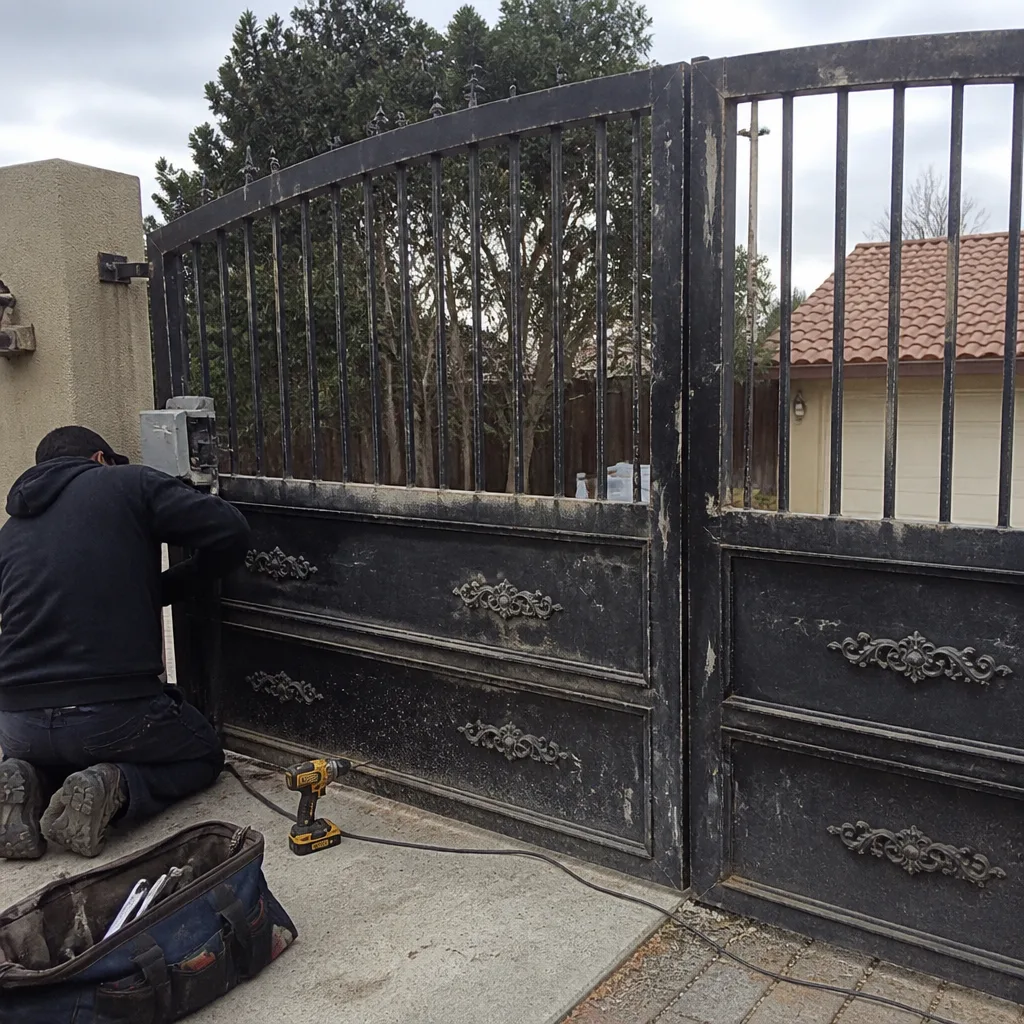 Before
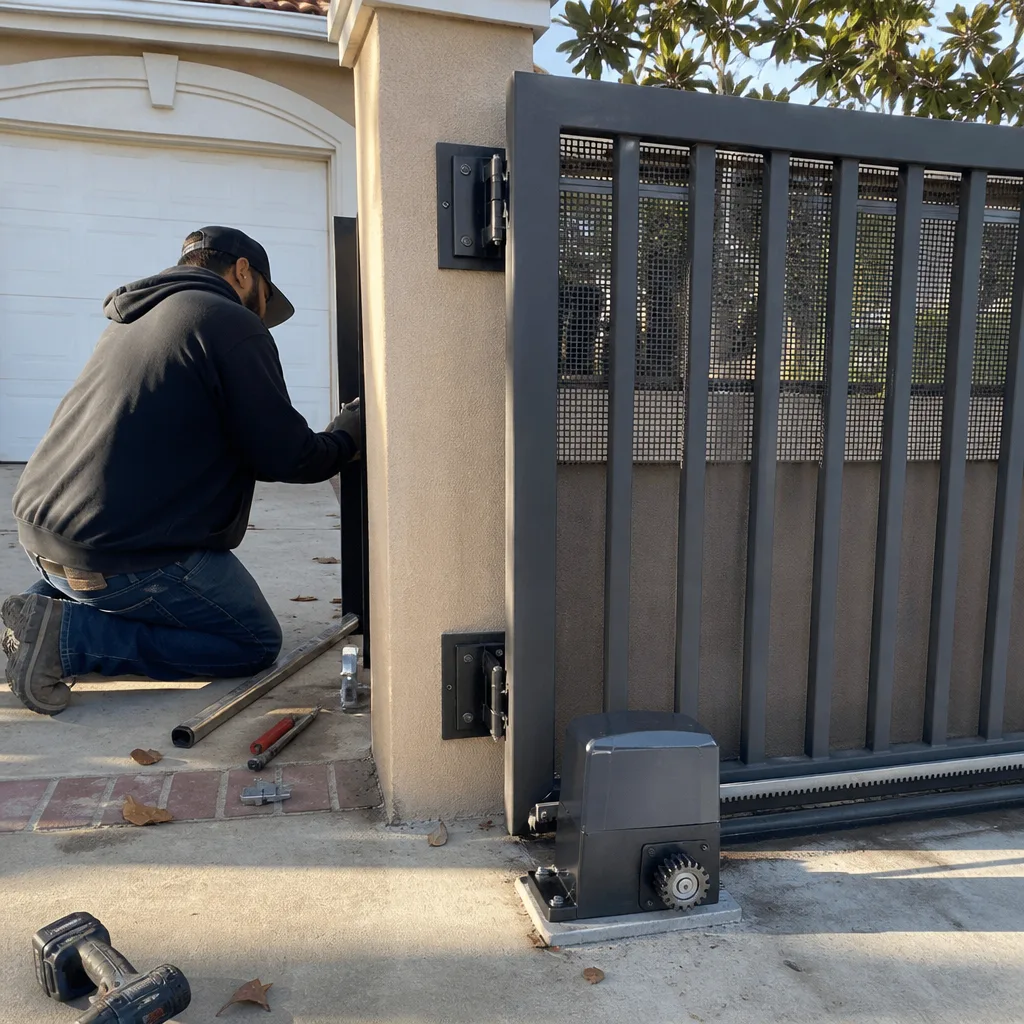 After
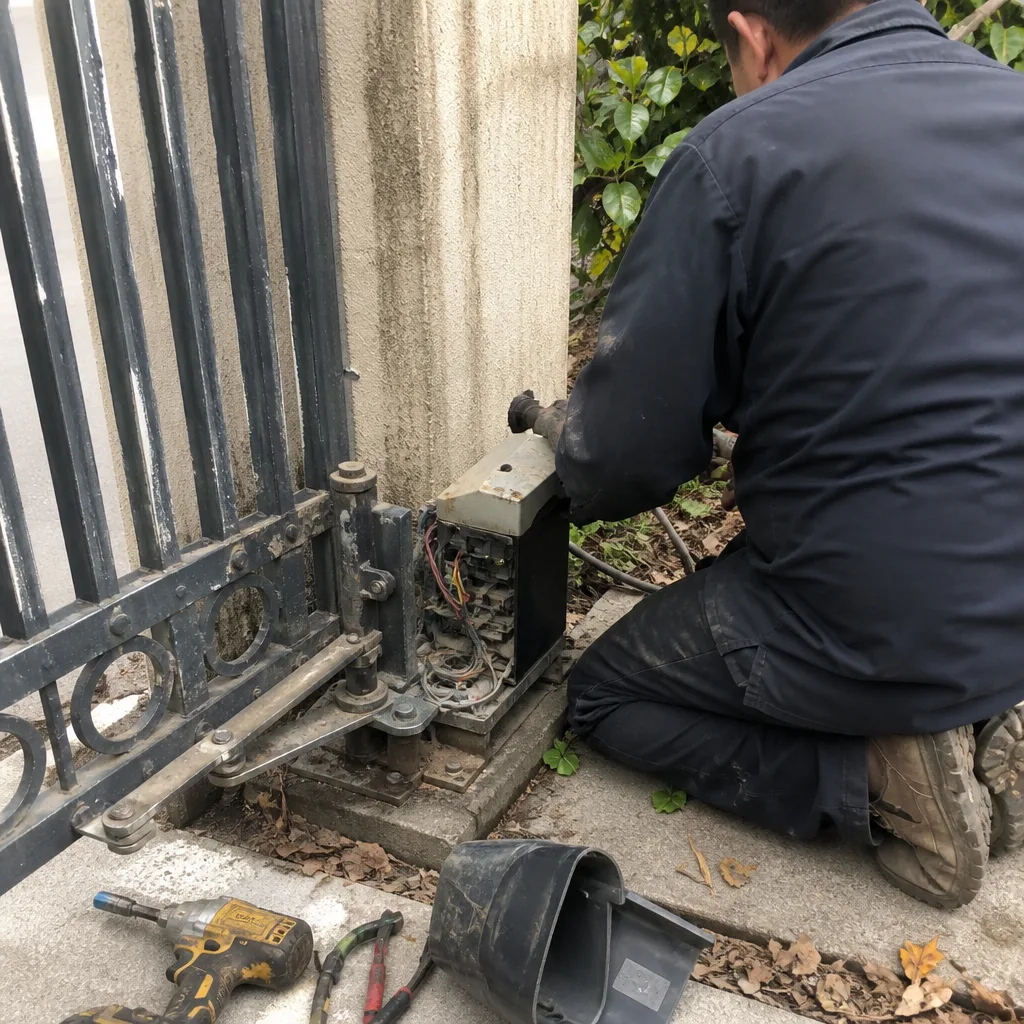 Before
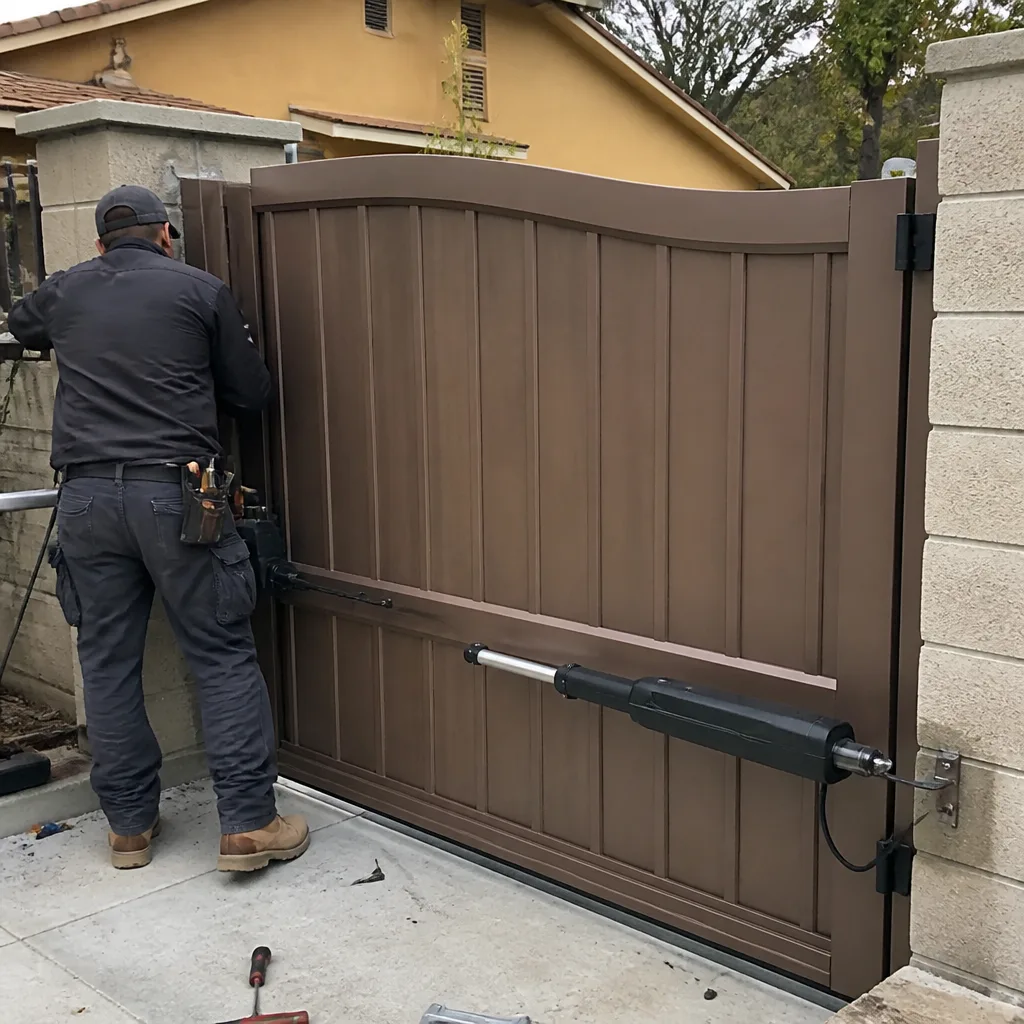 After
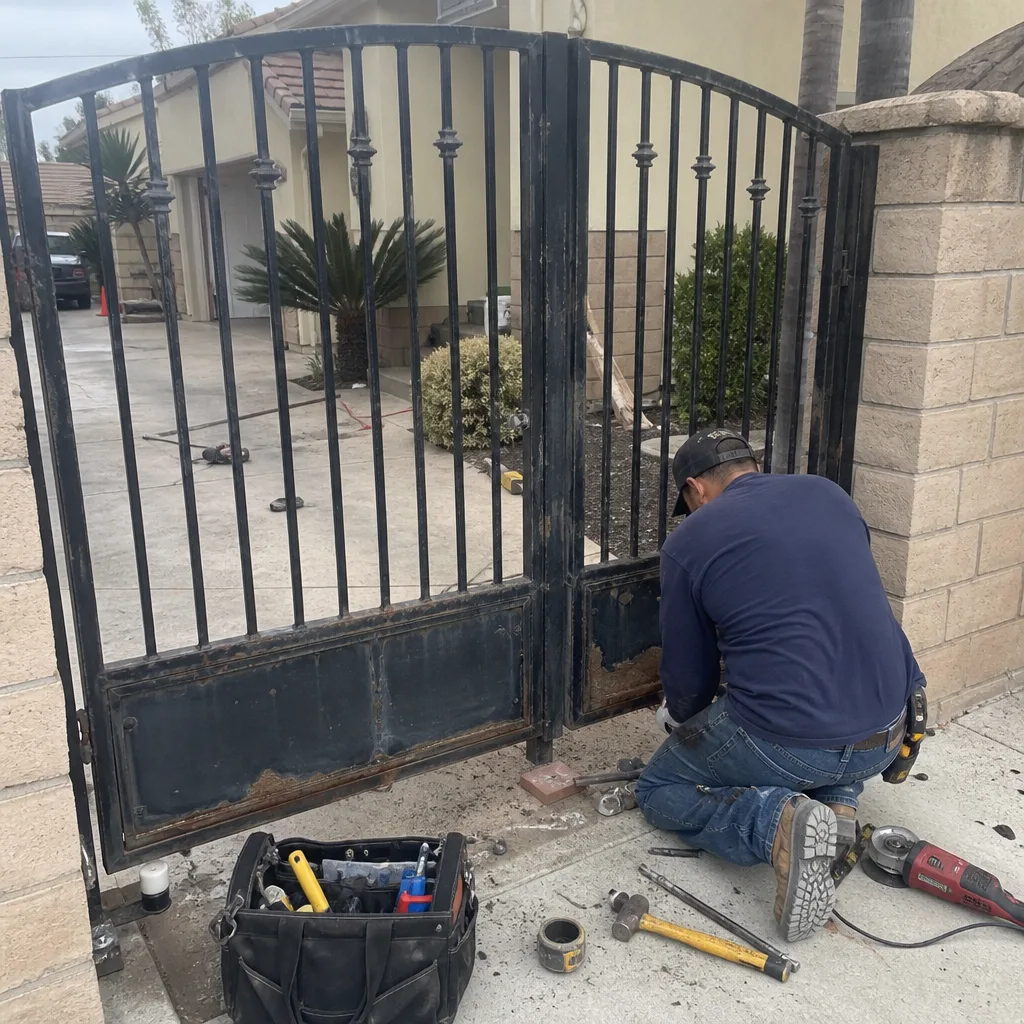 Before
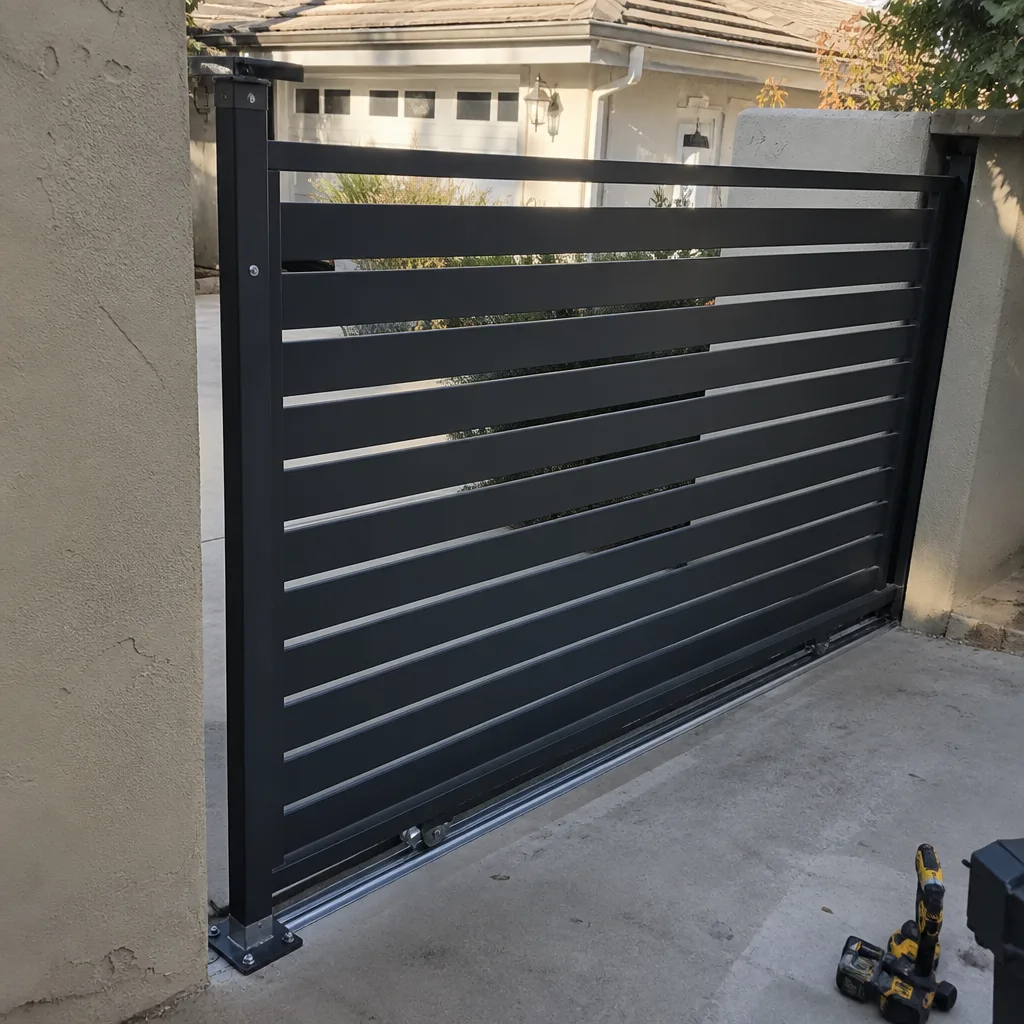 After